
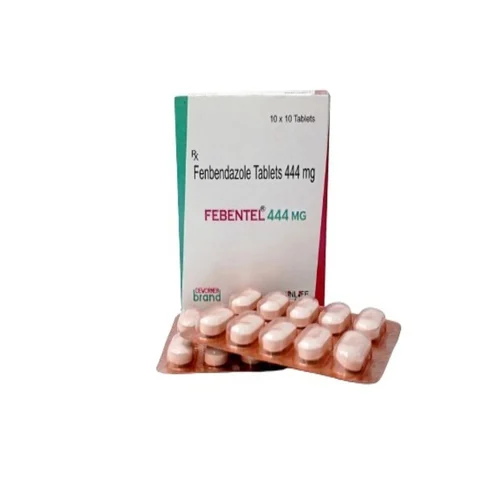
What is Fenbendazole?
Fenbendazole is a broad-spectrum anthelmintic (dewormer) medication used primarily to treat parasitic infections like roundworms, hookworms, and whipworms. It works by stopping parasites from absorbing nutrients. This causes the parasite’s cells to die.
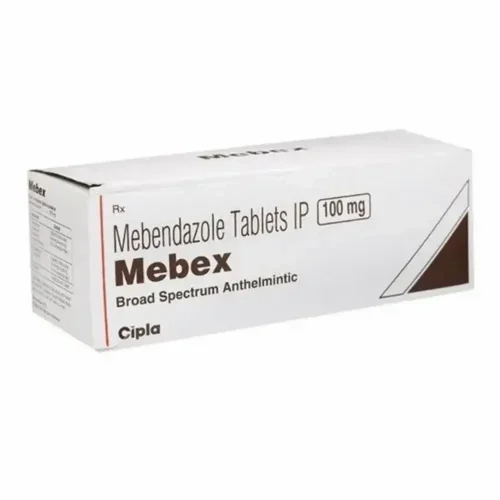
The popularity of fenbendazole and its connection to mebendazole
Fenbendazole’s rise in popularity can be attributed to two key factors: its mention in Jane McClelland’s book How to Starve Cancer, which highlighted the anticancer potential of the related drug mebendazole, and the widely shared story of Joe Tippens. Tippens claimed fenbendazole helped him achieve remission from stage 4 small cell lung cancer when combined with curcumin and CBD-enriched cannabis oil.
However, Tippens’ narrative often omits a critical detail: he was also enrolled in a clinical trial for Keytruda, a PD-L1 checkpoint inhibitor immunotherapy known to produce complete responses in some patients. His outcome may have been driven by genetic factors such as microsatellite instability or a high mutational burden, which are strongly associated with favorable responses to immunotherapy. For instance, a study published in the New England Journal of Medicine reported a 100% complete response rate in similar cases treated with checkpoint inhibitors. Joe Tippens was also given Radiation and standard Chemotherapy Therapy. He did, however, shine a light on Fenbendazole, which is why so many, myself included, use it to fight Cancer.
I do, however, know the problems with absorption. Fenbendazole does not dissolve well in water. On an empty stomach, the human body cannot absorb it easily, and most of it simply passes right through the digestive tract. It is highly recommended to take it with food, especially fats. Dietary fats act as carriers that significantly enhance the bioavailability and absorption of the drug in the gastrointestinal tract. Consuming fenbendazole with food (regardless of whether the fat content is high, medium, or low) significantly increases the amount of the drug the body absorbs by as much as 280%, compared to taking it on an empty stomach. When I was fighting my cancer, I used powdered Fenbendazole and mixed it with High-Oleic Sunflower oil, High-Fat Yogurt, and Extra-Virgin Olive oil. I ended up mixing it in grass-fed butter and taking that halfway through my meals.
Fenbendazole kills cancer cells through three primary mechanisms. Because it targets multiple pathways simultaneously, it is often described as having a “pleiotropic” or multi-pronged effect on tumors.
1. Microtubule Destabilization (Stopping Cell Division)
Cancer cells must rapidly replicate to grow and spread. Fenbendazole binds to β-tubulin, disrupting microtubule polymerization (the building blocks of a cell’s internal skeleton). By destroying this structural framework, the drug arrests the cell cycle at the G₂/M phase, causing mitotic catastrophe and cell death. This functions similarly to traditional chemotherapy drugs like paclitaxel or vincristine.
What Are Microtubules?
Microtubules are tiny, strong tubes inside cells. They act as a skeleton, giving the cell its shape. They also act like train tracks, moving food and parts around inside the cell. When a cell wants to split into two new cells, microtubules pull the cell’s blueprints apart.
How Fenbendazole Causes Destabilization
Cells build microtubules by stacking small building blocks together. This building process is called polymerization.
1. Blocks the building blocks:
Fenbendazole binds to a protein called beta-tubulin. Cancer cells must rapidly replicate to grow and spread. Fenbendazole binds to β-tubulin, disrupting microtubule polymerization (the process that builds the cell’s internal skeleton). By destroying this structural framework, the drug arrests the cell cycle at the G₂/M phase, causing mitotic catastrophe and cell death. This functions similarly to traditional chemotherapy drugs like paclitaxel or vincristine.
- Breaks the tracks: Because the drug blocks the pieces, the cell cannot build its microtubule tracks. Breaking the “tracks” (microtubules) that cells use to divide and multiply arrests cell division and induces cell death of the cell.
- The structure falls apart: The existing tubes fall apart into separate, loose strands. This falling apart is called depolymerization or destabilization.
What Happens to the Cell?
When fenbendazole destroys these tracks, it causes a chain reaction that kills the cell:
- The cell cannot divide: The cell cannot split its blueprints to make new cells. It gets stuck in a waiting phase and is forced to stop growing.
- The cell starves: Without the internal tracks, it cannot absorb or transport sugar for energy. It runs out of fuel.
- The cell explodes or shrinks: The cell realizes it is broken and starves, so it activates a self-destruct button called apoptosis.
2. Glucose Deprivation (Starving Cancer Cells)
Malignant tumors require massive amounts of sugar to fuel their aggressive growth. Fenbendazole blocks this process by downregulating glucose transporter (GLUT) expression and inhibiting key glycolytic enzymes like hexokinase II. This effectively cuts off the tumor’s energy supply, leading to cell starvation.
Because cancer cells rely heavily on accelerated sugar consumption to fuel their rapid growth—a phenomenon known as the Warburg effect—disrupting this pathway severely compromises their survival.
Warburg Effect
The Warburg Effect (or aerobic glycolysis) is a metabolic phenomenon in which cancer cells preferentially produce energy by fermenting glucose into lactate, even when oxygen is abundant. Discovered by Otto Warburg, this rapid energy processing fuels rapid tumor growth and is a building block for cell division.
Key Mechanisms and Purpose
Normally, cells process glucose efficiently through mitochondrial respiration, yielding around 36 ATP per glucose molecule. The Warburg effect is different:
- The Shift: Cancer cells divert pyruvate away from the mitochondria and ferment it into lactate (via the enzyme LDH).
- Energy Yield: It is highly inefficient, generating only about 2 ATP per glucose molecule.
- The “Why”: To compensate for this inefficiency, cells vastly increase their glucose uptake. This allows them to churn out vital macromolecules (lipids, nucleotides, and amino acids) and maintain the necessary biomass required for aggressive proliferation.
Clinical Significance
Understanding the Warburg effect is highly actionable in modern oncology:
- Diagnostic Imaging: Because tumors avidly consume glucose, clinicians use FDG-PET scans (which use a radiolabeled glucose molecule) to pinpoint aggressive tumors and detect metastases in patients.
- Therapeutic Targets: Researchers are actively developing anti-cancer treatments that disrupt this altered metabolism—such as inhibiting glucose transporters or blocking key enzymes—to starve cancer cells of their preferred energy source.
Blocking Glucose Entry
- Targeting GLUT Transporters: Fenbendazole downregulates Glucose Transporter (GLUT) proteins on the cell membrane. Research shows that fenbendazole exhibits antitumor properties by disrupting tumor glucose metabolism, which cancer cells heavily rely on. It achieves this by activating the p53 pathway, which in turn significantly reduces the expression of glucose transporters (GLUTs, such as GLUT-1 and GLUT-4) and hexokinase (HK II), thereby starving the cancer cells.
The Mechanism: Starving Cancer Cells
Cancer cells famously rely on aerobic glycolysis for rapid growth (the Warburg effect).
Fenbendazole targets this metabolic lifeline through the following steps:
p53 Activation:
- The p53 gene acts as the body’s natural defense mechanism, instructing damaged or abnormal cells to self-destruct. In many advanced cancers, this gene is mutated or inactive, allowing tumors to grow unchecked. The drug activates the p53 tumor suppressor protein, thereby promoting its translocation to mitochondria, activating cellular pathways that drive cancer cells into programmed cell death (apoptosis).
Proteasome Inhibition:
- Research shows that fenbendazole impairs the ubiquitin-proteasome pathway, which increases the half-life of cellular p53 and other regulatory proteins. By inhibiting proteasomal function, fenbendazole induces endoplasmic reticulum (ER) stress and apoptosis, while largely sparing normal cells.
Mechanism of Action
- Ubiquitin-Proteasome Impairment: In standard cellular environments, the proteasome degrades misfolded or unneeded proteins. Fenbendazole treatment suppresses this activity, leading to the accumulation of regulatory and pro-apoptotic proteins.
- Apoptosis Trigger: The accumulation of proteins—such as cyclins, p53, and IκBα—triggers ER stress and the production of reactive oxygen species (ROS), ultimately leading to programmed cell death.
Blocking Hexokinase II (HK II):
- In addition to blocking glucose transport, it inhibits HK II—a key enzyme that traps glucose within the cell to fuel energy production.
- Inhibition of HK II: By decreasing glucose uptake, fenbendazole effectively down-regulates and impedes Hexokinase II. HK II is the crucial first enzyme that converts glucose to glucose-6-phosphate, fueling the “Warburg effect” (the rapid, accelerated glycolysis cancer cells rely on for energy).
- Disrupting Cell Survival: In cancer cells, HK II frequently binds to mitochondria, thereby blocking programmed cell death. By inhibiting and dislodging HK II, fenbendazole may strip tumor cells of this defense, halting malignant proliferation and triggering apoptosis.
- The Result: This closes the physical gates that cancer cells use to pull sugar from the bloodstream, leading to cellular starvation.
Secondary Anticancer Effects
Beyond these three main paths, fenbendazole may also combat cancer by:
- Inhibiting Angiogenesis: Preventing tumors from growing the new blood vessels they need to receive nutrients.
- Inducing Oxidative Stress: Generating reactive oxygen species that damage malignant cellular structures.
- Targeting Cancer Stem Cells: Suppressing therapy-resistant cervical cancer stem cells alongside bulk tumor cells in animal models.
Poor Bioavailability:
The drug is barely water-soluble, meaning the human gastrointestinal tract absorbs very little of it into the bloodstream. Because it has low water solubility and is poorly absorbed on its own, it is highly recommended to take it with food, especially fats. Dietary fats act as carriers that significantly enhance the bioavailability and absorption of the drug in the gastrointestinal tract.
Fats serve two purposes: they help protect fenbendazole from the harsh, acidic environment of the stomach and aid in absorption.
Why Fats Matter
- Increased Absorption: Consuming fenbendazole with food (regardless of whether the fat content is high, medium, or low) significantly increases the amount of the drug the body absorbs compared to taking it on an empty stomach.
- Optimized Efficacy: For parasitic treatments to be successful, there must be an adequate concentration of the drug in the bloodstream and gut over the prescribed period.
Best Practices for Administration
- Always take with a meal: Never take fenbendazole on an empty stomach, as it drastically reduces absorption.
- Incorporate healthy fats: Pairing the medication with foods rich in healthy fats—such as avocados, nuts, yogurt, or healthy oils—helps ensure the drug is properly absorbed.
Reviews
There are no reviews yet.